
The Trial of the Pyx: an 800 year London legacy
It sounds like an episode of Harry Potter, but the Trial of the Pyx is in fact a test of coins made by the Royal Mint and one of the UK’s oldest judicial procedures.
One of the earliest forms of consumer protection, with 12th century origins, the Trial of the Pyx has been the exclusive responsibility of the Goldsmiths’ Company since the 16th century. Since 1870 it has (almost always) taken place at Goldsmiths’ Hall in the City of London.

The Trial's strange name derives from the Latin word pyxis, itself a transliteration of the Greek πυξίς, meaning ‘a small box’. The boxes in which coins to be tested are placed and brought to the Trial are known as the Pyx chests.
Walks available for booking
For a schedule of forthcoming London On The Ground guided walks and tours, please click here.
The earliest records of routine examination of coins by the Exchequer, which was based in Westminster, appear in 1179. The first public trial of the coinage is recorded in 1248, when 12 “discreet and lawful citizens of London” and 12 “skilful goldsmiths of the same place” served as jurors before the Barons of the Exchequer.

When the value of coins was determined by their content, it was important to ensure that standards were upheld and that those involved in production of the coinage were not misappropriating the gold and silver for themselves.
Following the merger of the various Royal Mints of England under a single Master of the Mint a procedure for regular trials was determined in 1279, in the reign of Edward I. Coins were tested for their size, weight and composition in order to ensure they contained the right amount of gold or silver.
The Master of the Mint was held legally responsible for any failings of the coinage. Coins set aside for testing were locked in pyx chests kept in the Pyx Chamber at Westminster Abbey. From 1290, a standard set of gold and silver plates was also stored in the chamber, to be used as a benchmark for testing the coins.

The Pyx Chamber no longer serves its ancient purpose, but it can still be seen off the East Cloister of Westminster Abbey (not far from the The secret gardens of Westminster Abbey).

The chamber had double doors with multiple locks and the keys to each door were kept separately.

In 1580 Queen Elizabeth I entrusted the Goldsmiths’ Company (one of the Great 12 City Livery Companies) to carry out the trial, with all jurors now selected from its membership.
The 1870 Coinage Act provided statutory authority for the Trial of the Pyx, previously established under Royal authority, and moved the ceremony from the Palace of Westminster to Goldsmiths’ Hall (or, alternatively, any suitable location in the City of London).

In 2026 the Trial took place at Mansion House (official residence of the Lady/Lord Mayor of the City of London) as the Hall was undergoing refurbishment at the time of the ceremony.

The 1870 Act also transferred the position of Master of the Mint (and legal liability for any failings in the coinage) to the Chancellor of the Exchequer (the senior cabinet minister who is responsible for the nation’s finances). This means that the current Chancellor, Rachel Reeves, is on trial at the annual ceremony while she is in office. Punishments for substandard coinage include a fine, imprisonment and removal from office.
The last Master of the Mint to be punished for sub-standard coinage was the great scientist Sir Isaac Newton in 1710, when the verdict of the trial was that the gold coins did not have enough gold.
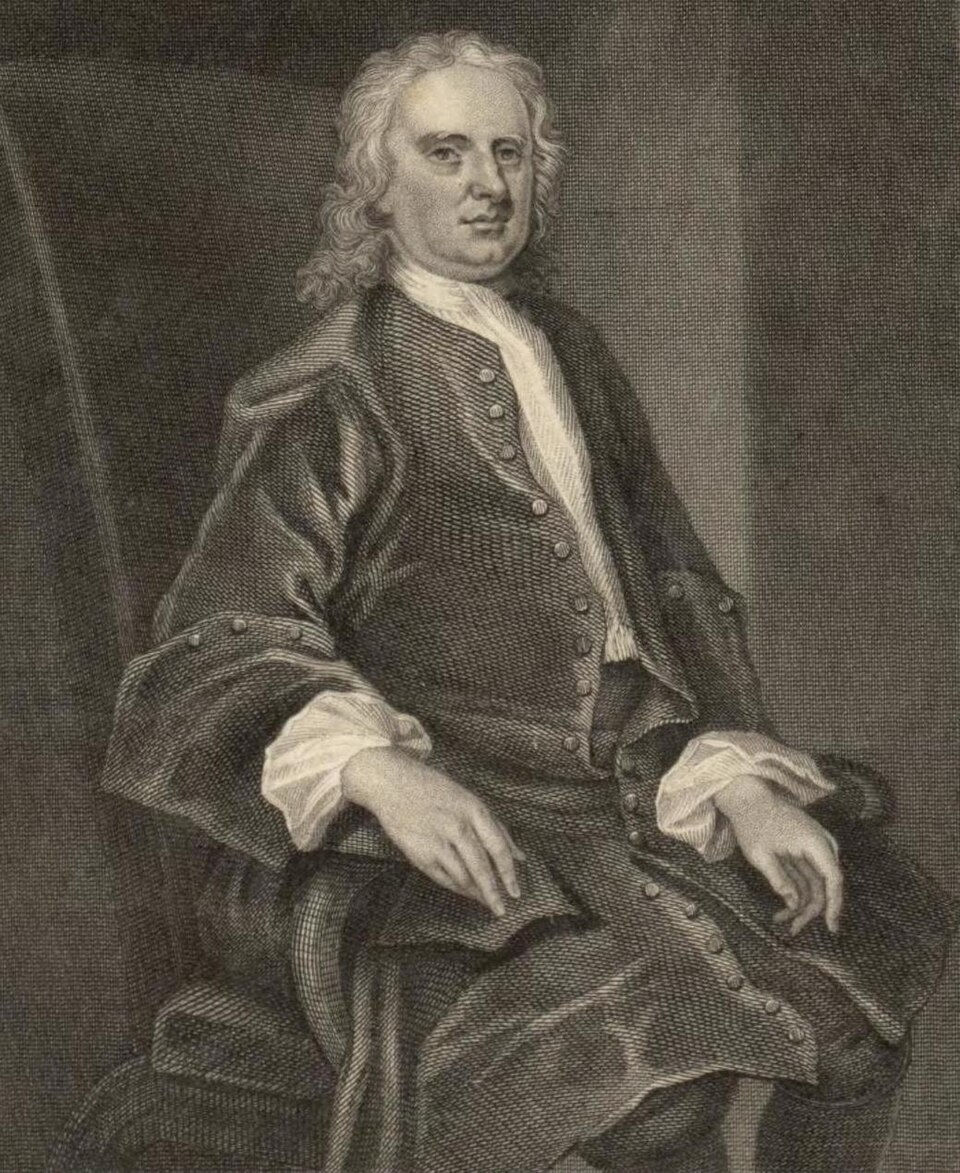
However, Newton does not have a reputation for scientific precision for nothing. He showed that the gold trial plate introduced in 1707 actually had too much of the precious metal and that, in fact, the coins met the required standard. This led to the return of the previous trial plate of 1688.
The Royal Mint was located within the Tower of London from 1279 to 1809, when it moved to purpose-built premises on nearby Tower Hill. In 1966 the organisation moved to Llantrisant in Wales. Royal Mint Court (the 1809 building) was sold to the People’s Republic of China in 2018 for redevelopment as its new UK Embassy.

The Trial is now conducted under the Coinage Act of 1971. Although coins are no longer made from precious metals, the essentials have remained broadly unchanged since the time of Edward I.
A random selection of coins from every denomination produced by the Royal Mint are placed in sealed bags of 50 coins and locked in Pyx boxes through the year. Typically more than 50,000 coins are brought to Goldsmiths’ Hall for the Trial, which usually takes place in the resplendent livery hall in February.

As a formal court of law, the presiding judge is the King’s Remembrancer, the oldest judicial office in the UK originating in the 12th century. Also present are senior officials of the Goldsmiths’ and the Assay Office, which is responsible for testing precious metals, and the Deputy Master of the Mint (who is also Chief Executive of the Royal Mint).
The jurors, who are assayers of the Goldsmiths’ Company, count the coins in packets handed to them by Royal Mint officials. They select one coin at random from each packet and place it into a copper bowl for testing by the Assay Office, while the remaining coins are weighed. The Assay Office, which is in Goldsmiths’ Hall (but with its own entrance), then has up to three months to test these coins according to strict criteria for their diameter, weight and chemical composition.

At a second ceremony, usually in May, the King’s Remembrancer announces the verdict, which is received by the Chancellor of the Exchequer, as Master of the Mint, or by the Deputy Master.
The Trial of the Pyx does not only test every-day coins. It also tests collector’s coins, special editions that the Royal Mint produces and which sell for much more than their nominal value.
For example, in recent years coins were struck to commemorate jubilees of the late Queen Elizabeth II, including the largest coin ever made by the Royal Mint, with a 20cm diameter and weighing 10kg. There have also been coins commemorating the 80 years since VE Day, 200 years of modern railways, 60 years of the Red Arrows and the legacy of the Napoleonic wars.
In 2022 there was even a set of coins to mark the 25th anniversary of Harry Potter and The Philosopher's Stone, the first novel in the series. Samples of these were tested at the time, so the phrase 'Harry Potter and the Trial of the Pyx' can legitimately be coined!

Walks available for booking
For a schedule of forthcoming London On The Ground guided walks and tours, please click here.


Comments